Online shopping is convenient for a reason. You can compare prices, read reviews, and place an order within minutes—without leaving your home. But that same convenience is exactly what makes it attractive for scammers. Fake stores, misleading ads, phishing emails, and payment fraud have all become more sophisticated. And unlike obvious scams from years ago, …
Most people only think about backup codes after they’re locked out of an account. It usually happens at the worst possible time—your phone is lost, reset, or unavailable, and suddenly you can’t access your email, banking app, or work accounts. You try logging in, but the verification code never arrives. Now you’re stuck. This is …
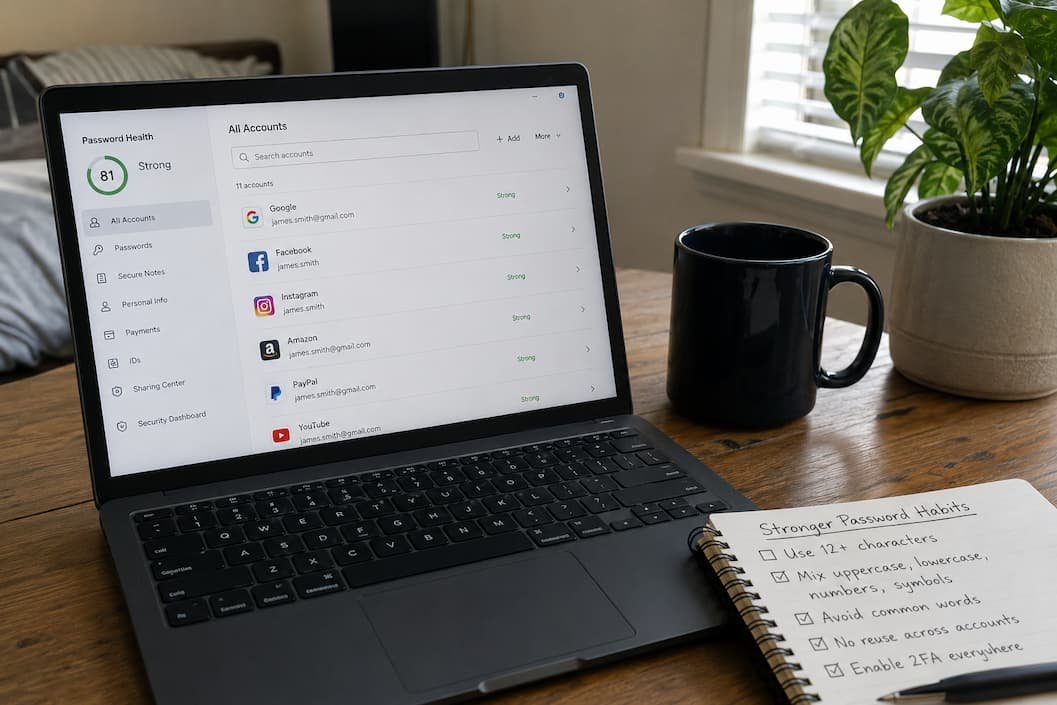
Most people don’t think their passwords are a problem—until something goes wrong. An account gets locked. A login alert appears from an unfamiliar location. Or worse, access is lost completely. That’s when the realization hits: the password you trusted wasn’t as strong as you anticipated. The issue isn’t just weak passwords. It’s habits. Small, everyday …
There’s something convenient about public WiFi. You walk into a café, airport, or hotel; connect in seconds; and you’re back online without using mobile data. It feels effortless. But that convenience comes with a trade-off most people don’t think about. Public networks are not built with your personal security in mind. They’re open, shared, and …
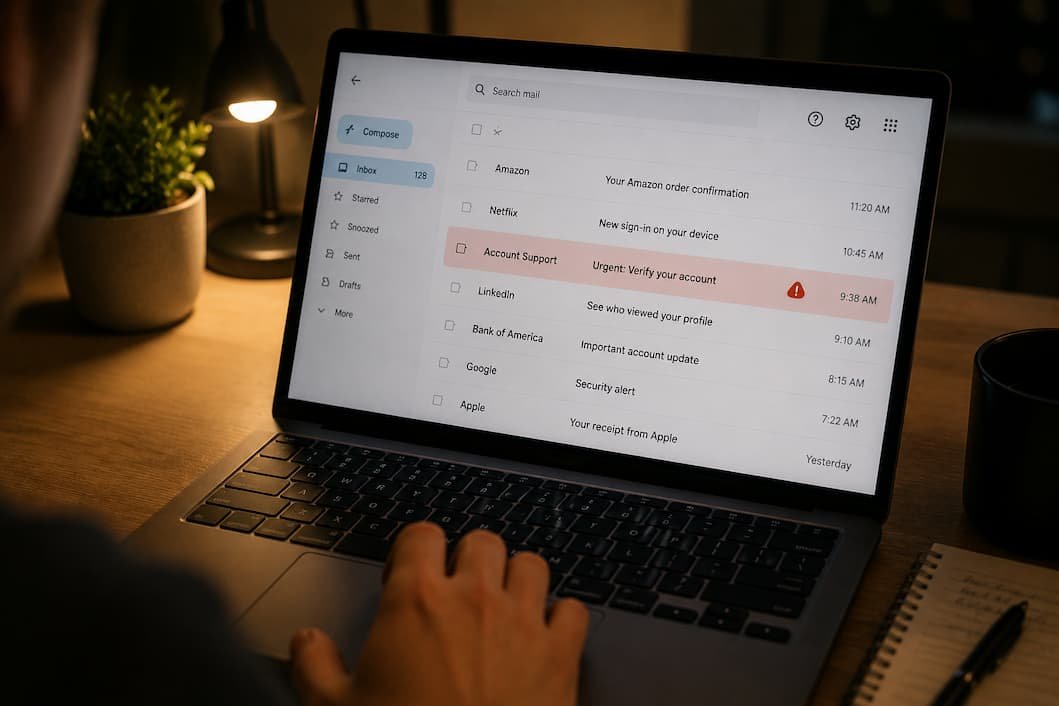
You don’t need to be careless to fall for an email scam. In fact, the majority of people who fall for email scams are simply busy. You’re checking emails between tasks, quickly scanning subject lines, clicking what looks important—and that’s precisely the moment scammers rely on. They don’t hack systems first. They target attention. A …
It usually starts with one random call. An unknown number flashes on your screen. You ignore it. A few minutes later, another one comes in. Then a message follows—some offer, some alert, something urgent that doesn’t quite make sense. Before you realize it, your phone isn’t just a tool anymore—it’s a constant interruption. Spam calls …
You probably already use passwords for everything—email, social media, banking, shopping. But here’s the uncomfortable truth: passwords alone are no longer enough. Data breaches happen quietly. Passwords get reused more often than people admit. And once a password is exposed, it doesn’t take much for someone to access your account. No warning, no drama—just a …
There’s a moment most people remember clearly—the second they realize a file is gone. It might be a work document you spent hours on, family photos that only existed on one device, or important records you assumed were “somewhere safe.” You search everywhere, try recovery tools, refresh folders again and again… but nothing shows up. …
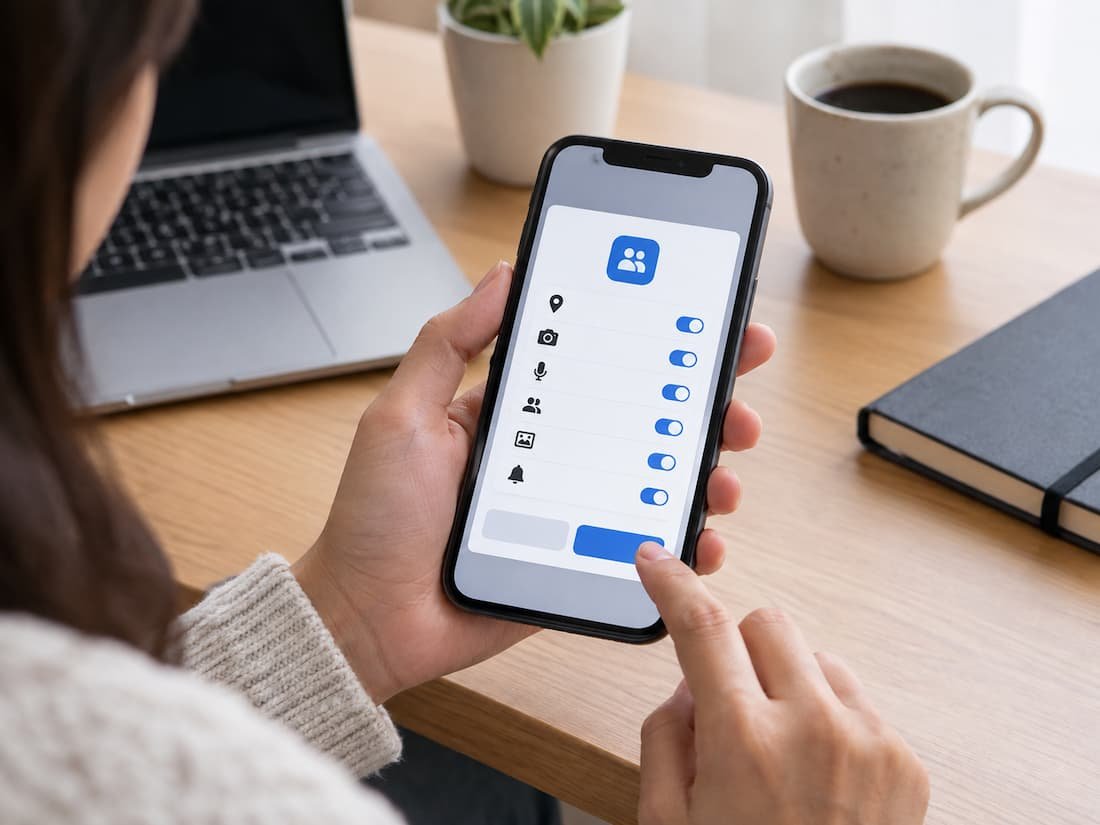
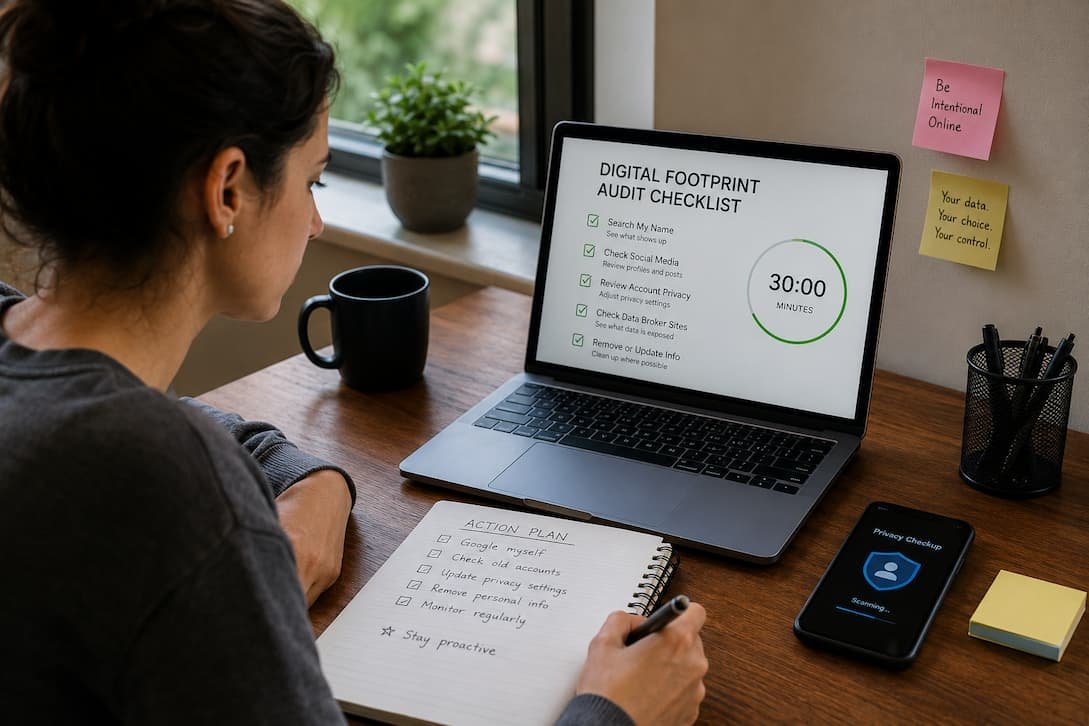
Most people don’t realize how much of their daily activity is being tracked. It’s not just what you search or what you post. It’s Which apps do you open How long do you stay on a page What you click, scroll, or ignore Even your location and movement patterns This data is often used to …
Most people don’t think about cybersecurity until something goes wrong. A hacked account, a drained bank balance, or a suspicious login notification is usually what finally gets attention. The problem is, by that point, the damage is already done. The good news? You don’t need to be a tech expert or install ten different tools …